You check your rankings one morning, and your website has quietly slipped off page one. Nothing changed on your end: no new content, no redesign, no algorithm update in the news. If this sounds familiar, you might be dealing with negative SEO, and for Sri Lankan business owners competing in a small, closely connected market, it’s more common than most people realise.
Negative SEO is when someone deliberately tries to damage a competitor’s search rankings using unethical tactics, rather than earning better rankings themselves. It’s not talked about much, but if you run a business online in Sri Lanka, knowing how to spot it and how to recover can protect your traffic, your reputation, and your revenue.
This guide walks through what negative SEO looks like, how to recognise it early, and the exact steps to recover your rankings. It also covers why the risk plays out a little differently here and what you can do to guard against it going forward.
What Is Negative SEO, and How Does It Happen?
Negative SEO covers any tactic used to intentionally hurt a website’s search visibility. Unlike normal competition, where a rival simply builds a better site, negative SEO tries to make Google trust your site less.
The most common method is spammy backlink attacks. A backlink is simply a link from another website pointing to yours. Search engines treat these as votes of confidence, so the more low-quality, spam sites that link to you, the more suspicious your site can look. Attackers buy or generate thousands of links from gambling sites, adult content, or link farms and point them at a target’s website, hoping Google reads it as manipulation.
Other tactics include:
- Content scraping — copying your articles or page content and republishing it elsewhere, which can confuse search engines about who owns the original content.
- Fake negative reviews — flooding your Google Business Profile with false one-star reviews to damage trust and local rankings.
- Hacking — breaking into a website to insert spam links, malware, or hidden text that search engines penalise.
None of these require huge budgets. That’s exactly why negative SEO shows up more often in competitive, price-sensitive markets, including small and mid-sized Sri Lankan businesses fighting for the same handful of customers.
How to Recognise the Signs of a Negative SEO Attack
Most businesses discover negative SEO by accident, after the damage is already visible. Watch for these warning signs:
A sudden, unexplained drop in rankings or traffic. A gradual decline is usually normal competition, seasonality, or an algorithm update. A sharp, sudden drop with no clear cause on your end is worth investigating.
Unfamiliar, spammy backlinks in Google Search Console. If you check your Links report and see hundreds of new links from foreign gambling, adult, or clearly irrelevant sites you never contacted, that’s a red flag, especially if they appeared all at once.
A cluster of fake negative reviews. Several one-star reviews posted within days of each other, written in vague or generic language, often with no order or interaction history behind them, is a classic sign of a coordinated attack rather than genuine customer feedback.
💡 Pro Tip: Don’t panic at the first weird backlink you see. Every website accumulates some odd, low-quality links naturally over time. It’s the pattern: a sudden spike, combined with a ranking drop that signals something deliberate.
Step-by-Step Negative SEO Recovery Process
If you’ve confirmed you’re dealing with negative SEO, here’s the process to work through, in order.
1. Audit your backlinks in Google Search Console
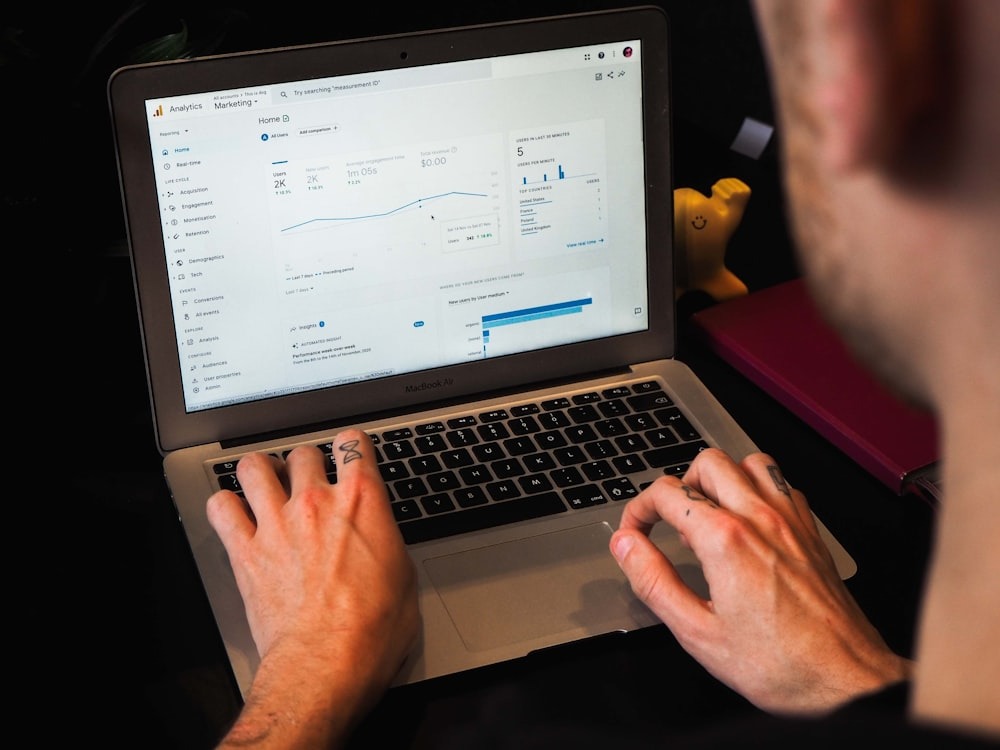
Google Search Console is a free tool from Google that shows you exactly how your site performs in search, including which websites link to you. Go to the Links report and export the full list of linking sites. Sort through them and flag anything spammy, irrelevant to your industry, or in a language and niche that has nothing to do with your business.
2. Use the Disavow Tool for harmful links
The Disavow Tool is a feature inside Google Search Console that lets you tell Google, “please ignore these links when judging my site” without you having to contact and remove them yourself. You upload a simple text file listing the spammy domains, and Google discounts them from your backlink profile. This should be a last resort after you’ve confirmed the links are genuinely harmful, not just unfamiliar.
3. Report fake reviews on your Google Business Profile
For fake reviews, respond calmly and factually first; this shows future customers you take it seriously. Then use Google’s built-in reporting option on the review to flag it as spam or fake. Keep a record of when it was posted and why you believe it’s fraudulent, since Google may ask for this if you need to follow up.
4. Monitor your rankings and traffic weekly
Recovery isn’t instant; disavow requests and review reports can take days to weeks to process. Check your Search Console performance data and keyword positions weekly so you can see whether the trend is improving, rather than reacting to daily noise.
5. Secure your website technically
If hacking is part of the attack, change all admin passwords, update your CMS and plugins, remove any files or code you don’t recognise, and consider enabling two-factor authentication. A clean, secure site is much harder to target repeatedly.
The Sri Lanka Angle: Local Competition and Reputation Risk
Sri Lanka’s digital business scene is small enough that most owners in a given industry, whether it’s tourism, real estate, or professional services, know exactly who their top three competitors are. That closeness cuts both ways. It fuels healthy rivalry, but it also means the temptation (and the low cost) of hiring a cheap “SEO” service to quietly attack a competitor is higher than in larger, more anonymous markets.
Local reputation carries extra weight here too. Many Sri Lankan customers still rely heavily on word of mouth and Google reviews before calling a business, so even a handful of convincing fake reviews can do outsized damage compared to a market where customers cross-check multiple review platforms out of habit.
This is where working with a consultant who understands the local landscape helps. Someone familiar with Sri Lankan competitor behaviour, local hosting providers, and how Google Business Profile disputes typically get resolved locally can often spot and respond to an attack faster than a generic overseas agency would.

Preventing Future Negative SEO Attacks
Recovery is only half the job; the goal is to make your site a harder, less attractive target next time.
- Check your backlink profile monthly, not just when something feels wrong. Catching a spam spike early makes it far easier to deal with.
- Set up Google Alerts for your business and brand name so you hear about scraped content or impersonation quickly.
- Keep your website software updated and use strong, unique passwords with two-factor authentication wherever possible.
- Build a steady stream of genuine reviews. A profile with dozens of real, recent reviews is naturally more resistant to a handful of fake ones; they stand out immediately to both readers and Google.
- Document everything. If you ever need to file a Search Console reconsideration request or escalate a review dispute, having dates, screenshots, and a timeline ready speeds things up considerably.
You Can Recover From Negative SEO
A ranking drop caused by negative SEO feels alarming, but it’s rarely permanent. Once you’ve audited your backlinks, disavowed what’s genuinely harmful, reported fake reviews, secured your site, and kept a steady eye on your rankings, most businesses see their visibility recover over the following weeks and months.
If you’re seeing unexplained drops right now and aren’t sure whether it’s negative SEO, an algorithm shift, or something technical, that diagnosis is often the hardest part to get right on your own. I offer SEO audits and consultations for Sri Lankan businesses that cover exactly this kind of investigation. You can see what’s included on the pricing page, or get in touch directly if you’d like a second opinion on what’s happening with your site.
Additional Resources
- Black Hat SEO Myths: What Really Works in SEO? — a look at why manipulative tactics (the same ones used in negative SEO attacks) backfire long-term.
- 2023’s Link-Building Tactics — how to build a healthy, legitimate backlink profile that’s more resilient to spam attacks.
- SEO Services — how ongoing monitoring and audits fit into a full SEO package.
- Disavow links to your site — Google Search Console Help — Google’s official guide to using the Disavow Tool correctly.
- Report inappropriate reviews on your Business Profile — Google Help — the official process for flagging fake or policy-violating reviews.